Comfrey
Description
Comfrey
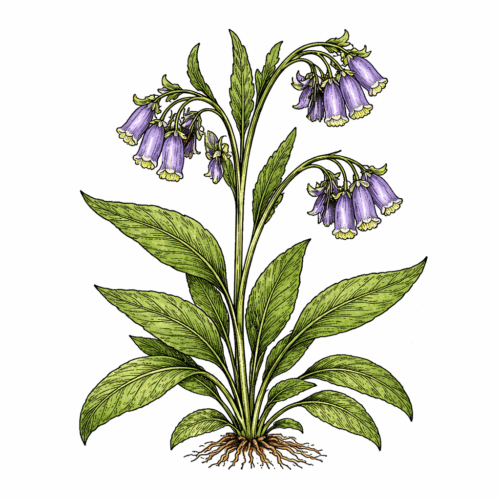
Comfrey extract is a concentrated liquid derived from the roots or leaves of the Symphytum officinale plant.
Comfrey is a soothing and conditioning botanical extract rich in allantoin, rosmarinic acid, phenolic acids, and mucilage polysaccharides. In cosmetic formulations, comfrey is valued for its ability to calm irritation, support skin repair, and improve overall comfort. Allantoin is a well‑known keratolytic and skin‑conditioning agent that promotes smoother, softer skin while supporting barrier recovery.
Mode of action, allantoin encourages gentle exfoliation and epidermal renewal, while rosmarinic acid provides anti‑inflammatory and antioxidant benefits. Comfrey’s mucilage content enhances hydration and contributes to a soothing, protective film on the skin. The extract is particularly effective in formulations targeting dryness, irritation, and rough or compromised skin.
Formulation guidelines:
Water‑soluble; incorporate into the water phase below 45 °C. Compatible with aloe, calendula, chamomile, and centella. Avoid pairing with strong acids that may destabilise allantoin.
Use level: 1–5%.
Solubility: Water‑soluble.
Key Uses & Benefits
Modern use is strictly limited to external topical applications on unbroken skin.
Pain Relief & Inflammation: traditionally shown to reduce pain and swelling from ankle sprains, muscle strains, and back pain. One of comfreys most popular names, “knitbone,” comes from its potential benefits for sprains, burns, and bruises.
Joint Support: Research suggests topical creams can significantly improve symptoms of osteoarthritis, particularly in the knee.
Skin Regeneration: Contains allantoin, a compound that stimulates cell renewal and speeds the healing of minor, closed wounds and bruises.
Skincare: Used in serums and moisturizers to soothe irritation, tighten pores with natural tannins, and support collagen production for anti-aging.
Applications: Repair creams, soothing lotions, after‑sun gels, hand creams, sensitive‑skin products.
Botanical Name & INCI
Botanical name: Symphytum officinale
INCI: Symphytum Officinale Root Extract
Critical Safety Warnings
FOR EXTERNAL APPLICATION ONLY
Do Not Ingest: Global Health Agencies have banned oral comfrey products due to high risk of liver failure. While traditionally used for centuries to treat wounds and broken bones, it contains toxic pyrrolizidine alkaloids (PAs) that can cause severe liver damage if ingested.
Avoid Broken Skin: Never apply to open wounds, as toxic alkaloids can be absorbed more rapidly into the bloodstream.
Short-Term Use Only: Experts recommend using topical products for no more than 10 consecutive days and a total of 4–6 weeks per year.
Contra-indications: Do not use if you are pregnant, breastfeeding, or have existing liver disease. It is generally not recommended for children under age 3.
Additional information
| Weight | N/A |
|---|---|
| Dimensions | N/A |
| Weight | 0.05 kg (50g), 0.10 kg (100g), 0.25kg (250 g), 0.5 kg, 1 kg |
Related products
- All Products, Humectants, Preservatives & Stabilizers, Solvents
Glycerine
- Price range: $8.00 through $139.50 excl GST
- Select options This product has multiple variants. The options may be chosen on the product page
- Melt and Pour Soap, All Products, Detergents & Surfactants, Soap Ingredients
Rebatch Soap Base
- Price range: $15.00 through $60.00 excl GST
- Select options This product has multiple variants. The options may be chosen on the product page
- Thickeners, Active, All Products
Xanthan Gum
- Price range: $6.80 through $39.50 excl GST
- Select options This product has multiple variants. The options may be chosen on the product page